

bathroom mirror with integrated lighting
Replacing the Main Water Shut-Off Valve A Comprehensive Guide The main water shut-off valve is a critical component in any plumbing system. It controls the flow of water into your home, making it essential for maintenance, repairs, and emergency situations. Over time, valves can wear out, corrode, or develop leaks, necessitating their replacement. This article will walk you through the process of replacing your main water shut-off valve, ensuring you can manage your home’s plumbing effectively. Understanding the Main Water Shut-Off Valve The main water shut-off valve is typically located where the water line enters your home, often in the basement, crawl space, or near the foundation. Its primary function is to allow you to stop the flow of water throughout your home, which is especially useful during repairs or in emergencies, such as a burst pipe. Knowing the location of your shut-off valve is the first step to effective home maintenance. Signs You Need a Replacement Before diving into the replacement process, it's essential to recognize when your shut-off valve needs to be replaced. Common signs include - Rust or Corrosion Visible rust or corrosion on or around the valve could indicate it is failing. - Leaks Water dripping from the valve signifies that it may need replacement. - Difficulty Turning If the valve is hard to turn or will not fully close, it could lead to problems down the line. - Age If your valve is older than 20 years, it may be time to consider a replacement. Tools and Materials Needed To replace the main water shut-off valve, you will need the following tools and materials - A new ball valve or gate valve (ensure it is the correct size for your plumbing system) - Pipe wrenches or adjustable wrenches - Pipe cutter (if necessary) - Plumber’s tape - Towels or a bucket (to catch any leaking water) - Safety glasses and gloves replacing main water shut off valve Step-by-Step Replacement Process 1. Turn Off the Water Supply Before beginning, check if your home has an emergency shut-off valve outside. If not, make sure to turn off your water supply at the municipal main. 2. Drain the System Open faucets in your home to relieve pressure and drain any existing water in the pipes. This step prevents water from spilling when you remove the old valve. 3. Remove the Old Valve Use your wrench to loosen the nuts attached to the valve. Depending on the type of valve, you may need to cut the pipes connected to it. If you do, ensure you leave enough piping on each side for the new valve. 4. Install the New Valve Begin by wrapping plumber’s tape around the threads of the new valve to ensure a tight seal. Position the valve and tighten it to the existing pipes with your wrench. Make sure the valve's direction matches the flow of water. 5. Test the Installation Once the new valve is securely in place, turn on the main water supply. Check for any leaks at the connections. If everything appears secure, open a faucet to allow air to escape, which will help stabilize the system. 6. Monitor for Leaks After installation, keep an eye on the valve for the next few hours. Any signs of leakage will require tightening or re-evaluation of your installation. Conclusion Replacing the main water shut-off valve may seem intimidating, but with the right tools and a step-by-step approach, it can be accomplished by most homeowners. Regular maintenance of plumbing components, including the shut-off valve, is vital for preventing water damage and ensuring a reliable water supply. If at any point you feel unsure about the process, do not hesitate to consult a professional plumber for assistance. Ensuring your plumbing system works correctly will save you time and money in the long run.
about
bathroom mirror with integrated lighting
Understanding Small Hole Bore Gauges A Precision Tool for Accurate Measurements In the world of engineering and manufacturing, precision is paramount. One of the essential tools that facilitate this precision is the small hole bore gauge. Designed specifically to measure the internal diameters of small holes, this gauge plays a crucial role in various industries, including aerospace, automotive, and electronics. What is a Small Hole Bore Gauge? A small hole bore gauge is a measurement tool used to determine the internal diameter of a hole with great accuracy. These gauges are particularly valuable when dealing with holes that are too small for standard measuring tools such as calipers or micrometers. Typically ranging from a few millimeters to several centimeters in diameter, small holes can be found in components like engine cylinders, hydraulic fittings, and printed circuit boards. How Does It Work? The operation of a small hole bore gauge is relatively straightforward. The gauge consists of a measuring head fitted with tapered measuring tips that expand to fit the walls of the hole. Users insert the gauge into the hole until the tips come into contact with the inner surface . Once properly positioned, the gauge is calibrated, and the reading can be taken by measuring the distance between the two tips. Some advanced models offer digital displays, making it easier for operators to read measurements accurately. Why Choose a Small Hole Bore Gauge? small hole bore gauge Precision is vital in manufacturing, where even the slightest deviation can lead to significant issues down the line. A small hole bore gauge allows for accurate measurements that ensure components fit together seamlessly. This is particularly important in high-stakes industries like aerospace, where a failure could have catastrophic consequences. Moreover, the gauge's portability makes it a convenient option for on-site measurements. Technicians and engineers can quickly assess the condition of parts without having to transport them to a metrology lab. This flexibility saves time and reduces the risk of errors associated with transportation and handling. Applications in Industry Small hole bore gauges find applications across a wide range of industries. In the automotive sector, they are used for measuring engine components and fuel lines. In the aerospace industry, they ensure the precise fit of critical components that must withstand extreme conditions. Additionally, in electronics, they help in the manufacturing of circuit boards where accuracy is key to functionality. Conclusion In summary, small hole bore gauges are indispensable tools for precise measurement in various industrial applications. Their ability to provide accurate internal measurements ensures that components are manufactured to the required tolerances, ultimately enhancing the quality and safety of the final products. As technology advances, these gauges continue to evolve, offering even greater accuracy and ease of use, solidifying their place in the toolkit of precision-driven industries.
-

High quality industrial productsagement

High quality industrial products
View Details -

Meet the diverse needs of customers

Meet the diverse needs of customers
View Details -

Strict quality control

Strict quality control
View Details -

Top raw materials

Top raw materials
View Details -

Trusted supplier

Trusted supplier
View Details
Our application

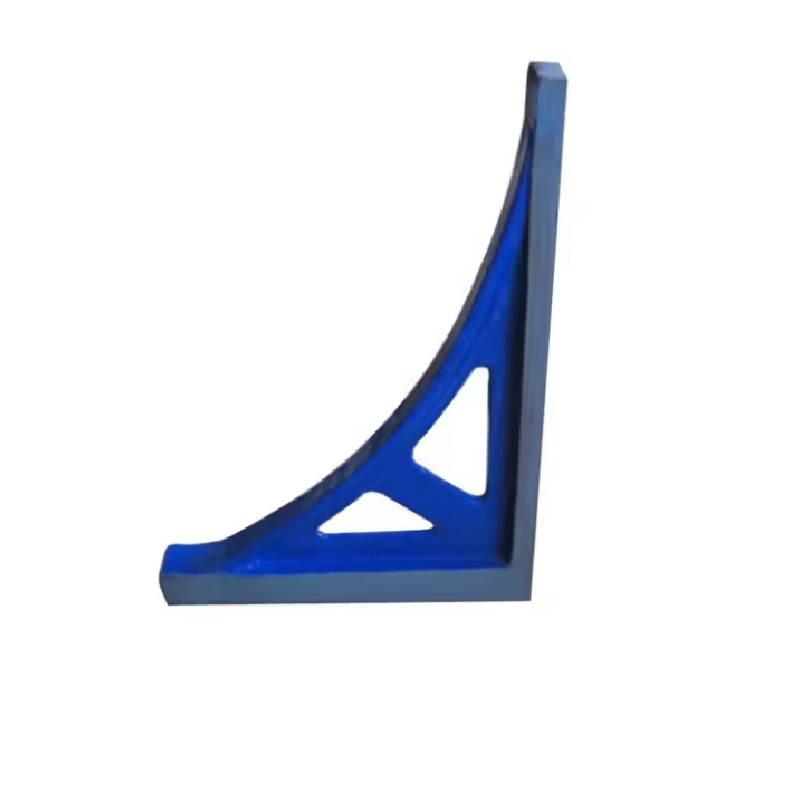
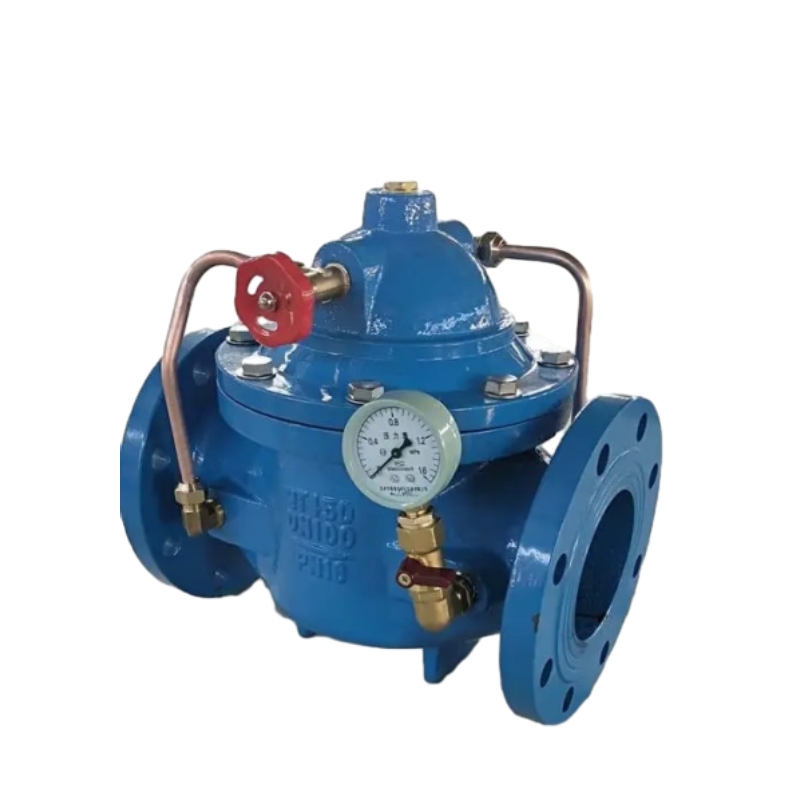
news and information
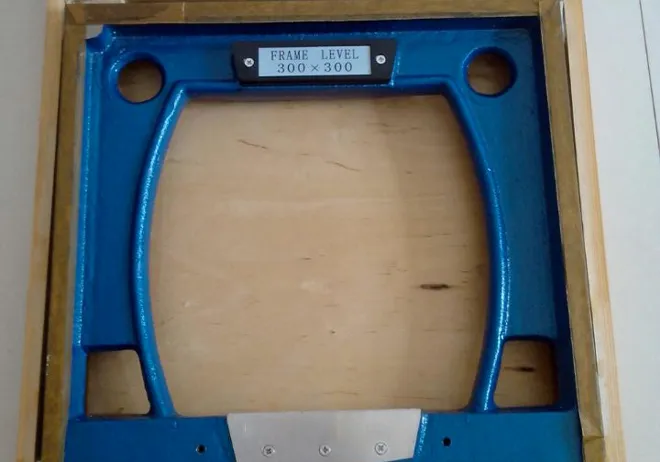
Why the Right Angle Ruler Reigns in Metalworking
In the high-stakes world of metal fabrication, machining, and welding, precision isn't just desirabl
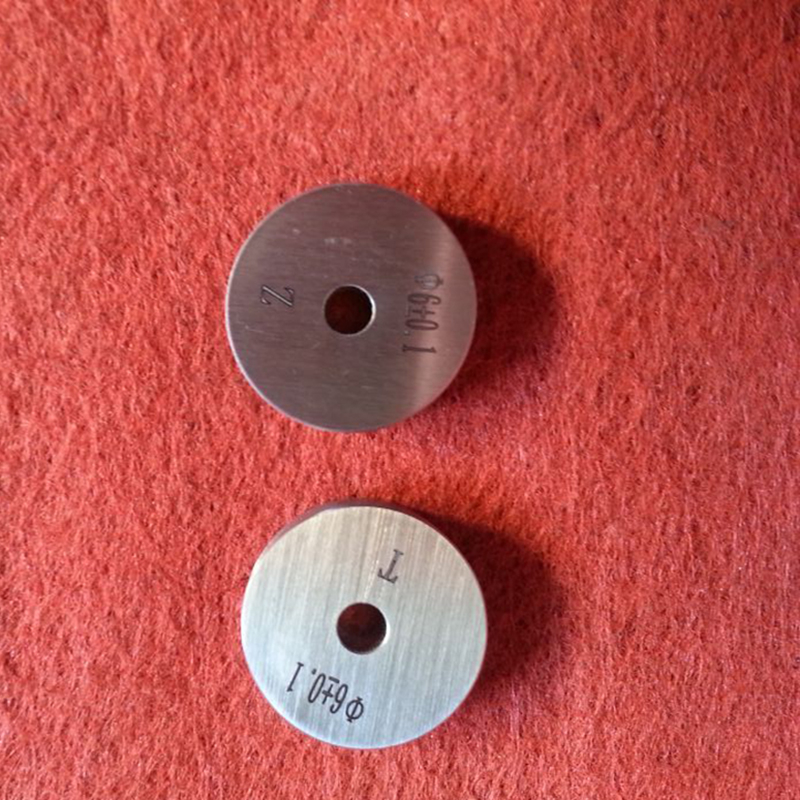
Using Ring Gauges for Accurate Measurement and Quality Control in Manufacturing
The Importance of Ring Gauges in Quality Control In the realm of manufacturing and quality control,
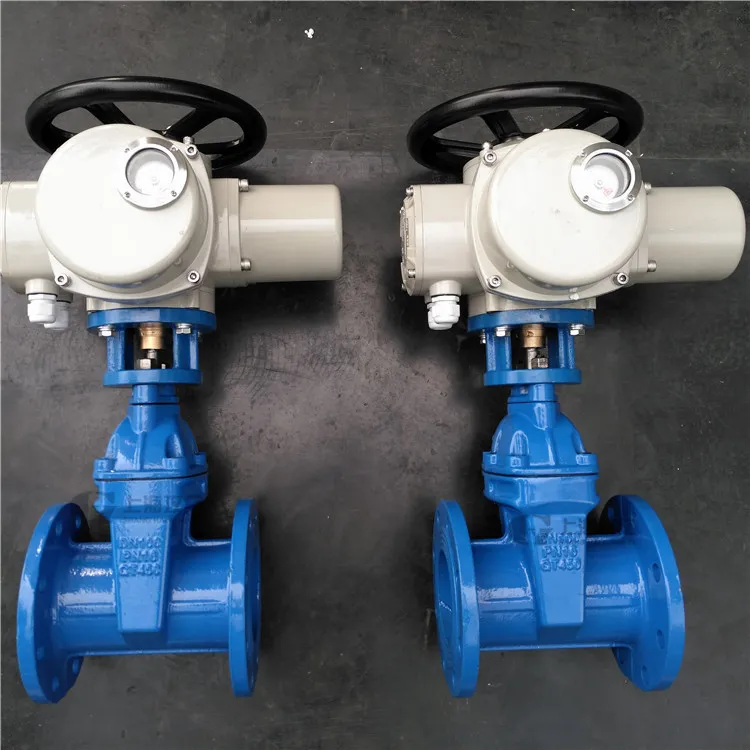
welding v block
Understanding the Role of a V-Block in Welding Welding is a critical process in various industries,
 English